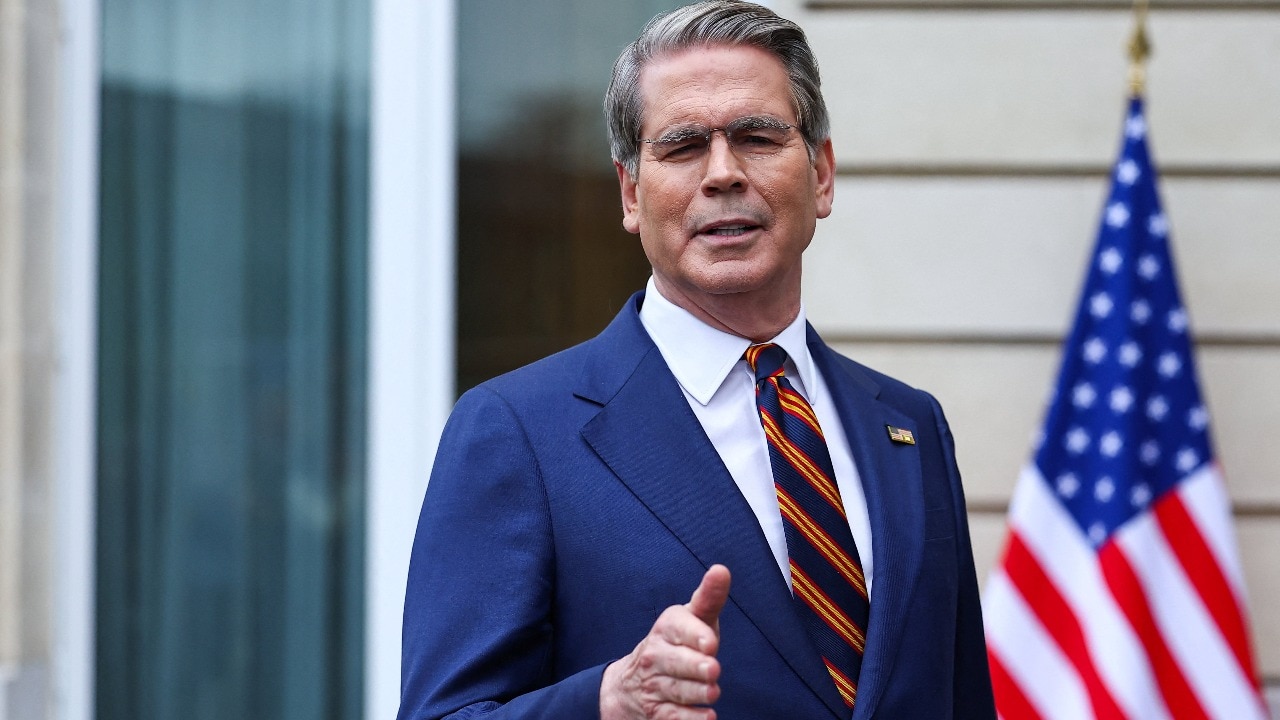
US Treasury Secretary Scott Bessent has called on Nvidia to appoint a chief executive from outside the company and to open an urgent inquiry into its compliance with American export restrictions. The demands follow the resignation of Jensen Huang on Thursday, which came amid reports of alleged extramarital relationships, one involving a woman described as a Chinese intelligence asset.
Speaking to Fox News on Sunday, Bessent said the company required a "dramatic shake-up" and should look beyond its current leadership. He asked whether any compliance failure was confined to junior staff, reached middle management or extended to the executive suite, and who within the firm had been aware of it.
He gave Nvidia's board and its external legal advisers 10 days to respond. Authorities, he indicated, would examine whether the company deliberately overlooked warning signs about Singapore-based firms allegedly serving as intermediaries to move advanced AI chips to China. Bessent likened the situation to banking, saying regulators there would already have intervened and removed several executives.
The succession question is already open. Nvidia has reportedly approached Rene Haas, chief executive of Arm, while AMD's Lisa Su is seen as a possible outside candidate. President Donald Trump has suggested former Apple chief Tim Cook. Internal contenders include interim chief executive Colette Kress, previously the chief financial officer, and Ian Buck, who leads the data centre business.
The episode has also exposed friction within the administration. Bessent has repeatedly criticised the Commerce Department, led by Howard Lutnick, for not blocking chip exports to Singapore-based Megaspeed, which is allegedly linked to the intelligence asset at the centre of the Huang affair. US authorities are investigating whether Megaspeed, which builds AI data centres across Asia, took part in smuggling advanced chips into China.
Bessent said other departments had pushed to place Megaspeed on the national security blacklist while Commerce "had the pen", adding that existing rules were sufficient if enforced. Lutnick faces mounting pressure from within the administration and Congress to explain why shipments continued, and lawmakers are moving to tighten controls on advanced chip sales to China.
The outcome matters beyond one company: Nvidia is central to the global AI industry and the US economy, and the response to this inquiry will signal how firmly Washington intends to enforce export controls on strategic technology. Reports also indicate Huang is expected to face congressional scrutiny. Read the original report at India Today.