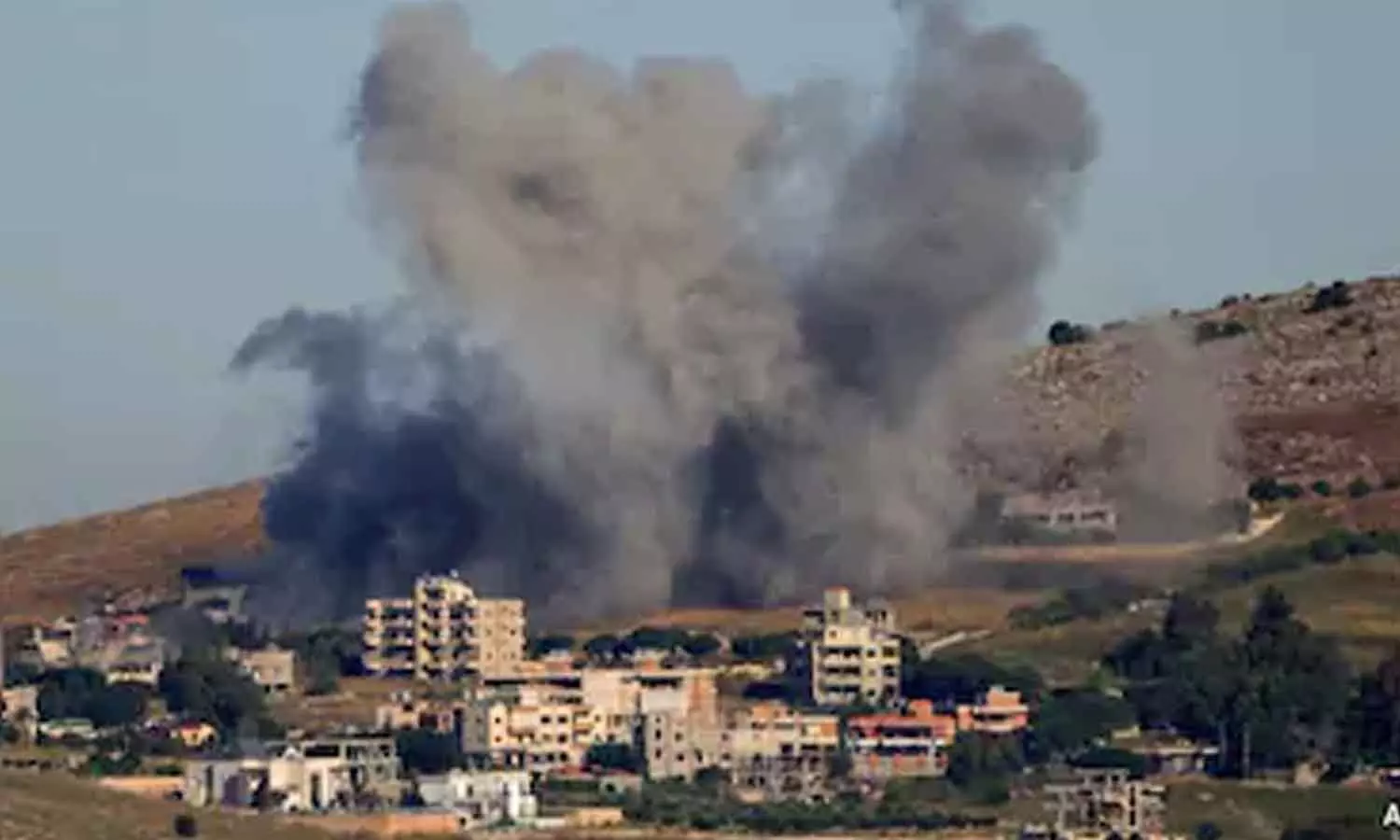
Iran's Islamic Revolutionary Guard Corps said on Sunday that it launched six drones at a US air defence radar at the Al-Riffa helicopter base in Bahrain, describing the action as retaliation for "hostile US actions". Bahrain's military said it intercepted and destroyed several incoming threats before they reached their targets, and the interior ministry issued two alerts urging residents to take shelter.
The shelter warnings were the first issued in the kingdom since September, an indication that the threat to Bahrain's territory had receded for a period before this weekend's escalation. In a statement carried by Iranian state broadcaster, the Guards attributed the drones to their Aerospace Force.
Neither Manama nor Washington immediately confirmed that the radar installation had been struck. The claim therefore remains unverified, and Iranian accounts of damage have in earlier episodes differed from those given by US and allied officials.
The latest incident follows a similar claim on Friday, when the Guards said they had hit a US early-warning radar facility in Bahrain. The US military said then that it had intercepted two Iranian drones and recorded no damage. Two claims within three days suggest a deliberate focus on American sensor and air-defence infrastructure in the Gulf.
Bahrain's position makes it a recurring target. The kingdom hosts the US Navy's Fifth Fleet and has been attacked by Iran repeatedly during a conflict now nearly nine months old. Its small territory and close integration with American forces leave little margin between military targets and populated areas, which explains the use of civil alerts.
The strikes arrive while negotiations to end the war remain deadlocked. Washington is maintaining its naval blockade, and Tehran continues to restrict shipping through the Strait of Hormuz, a key route for Gulf oil exports. Each side is applying economic and military pressure while talks stall, raising the risk that limited exchanges widen into renewed sustained fighting.
For regional governments and energy markets, the immediate questions are whether Washington confirms any damage and whether it responds. A confirmed hit on US air defences would increase pressure for a reply, while continued interceptions without damage may allow both sides to keep escalation contained. The diplomatic track, for now, offers no clear sign of a way out.