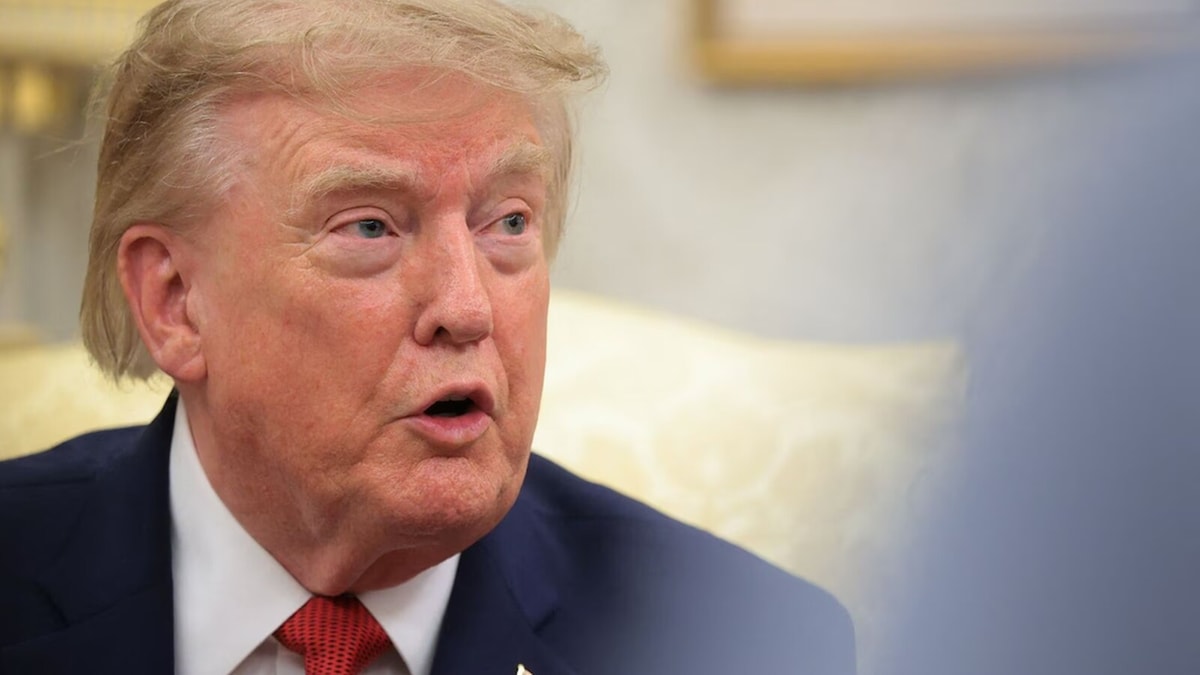
US President Donald Trump is leaving for Asia this week, beginning with a stop in the Philippines on Tuesday and continuing to China on Wednesday for the Asia-Pacific Economic Cooperation summit. The trip comes after Republican losses in the midterm elections weakened his position at home, and the White House is presenting it as an opportunity to regain initiative abroad.
The most closely watched element is a proposed three-way meeting with Chinese President Xi Jinping and Russian President Vladimir Putin on their nuclear stockpiles. It would be his third face-to-face encounter with Xi this year. Mr Trump has often cited his personal ties with both leaders, though he has so far secured no major breakthrough with either.
In Manila, the president will meet Southeast Asian leaders who look to Washington for support in the face of Chinese assertiveness in the region. The White House says he will sign a trade agreement with Thailand, announce a series of commercial arrangements and be guest of honour at a leaders' dinner. In Shenzhen, trade questions are expected to dominate before the meeting with Xi and Putin.
Kurt Campbell, a former deputy secretary of state under President Joe Biden, said presidents facing difficult conditions at home tend to turn to foreign travel. There is precedent: Barack Obama went to Beijing after losing the Senate in 2014, and George W. Bush attended APEC in Vietnam after the 2006 defeat.
The constraints ahead are considerable. Democrats take control of Congress in January, which will limit two instruments Mr Trump has relied on in foreign policy: the threat of import tariffs and of military action. The source report notes that both his tariffs and the war with Iran proved unpopular with voters.
Technology policy adds a complication. Nvidia chief executive Jensen Huang resigned last week after acknowledging an affair with an alleged Chinese government agent; Beijing says it was not involved. Administration officials, speaking anonymously, said Mr Trump does not intend to press Xi on the matter and expect no retaliation if Washington tightens curbs on Chinese access to advanced American chips.
The outcome will test whether summit diplomacy can compensate for a diminished domestic mandate. Mr Trump's departure also coincided with widespread airline disruption after a nationwide ground stop. Source: CNBC TV18.